
The Short Answer
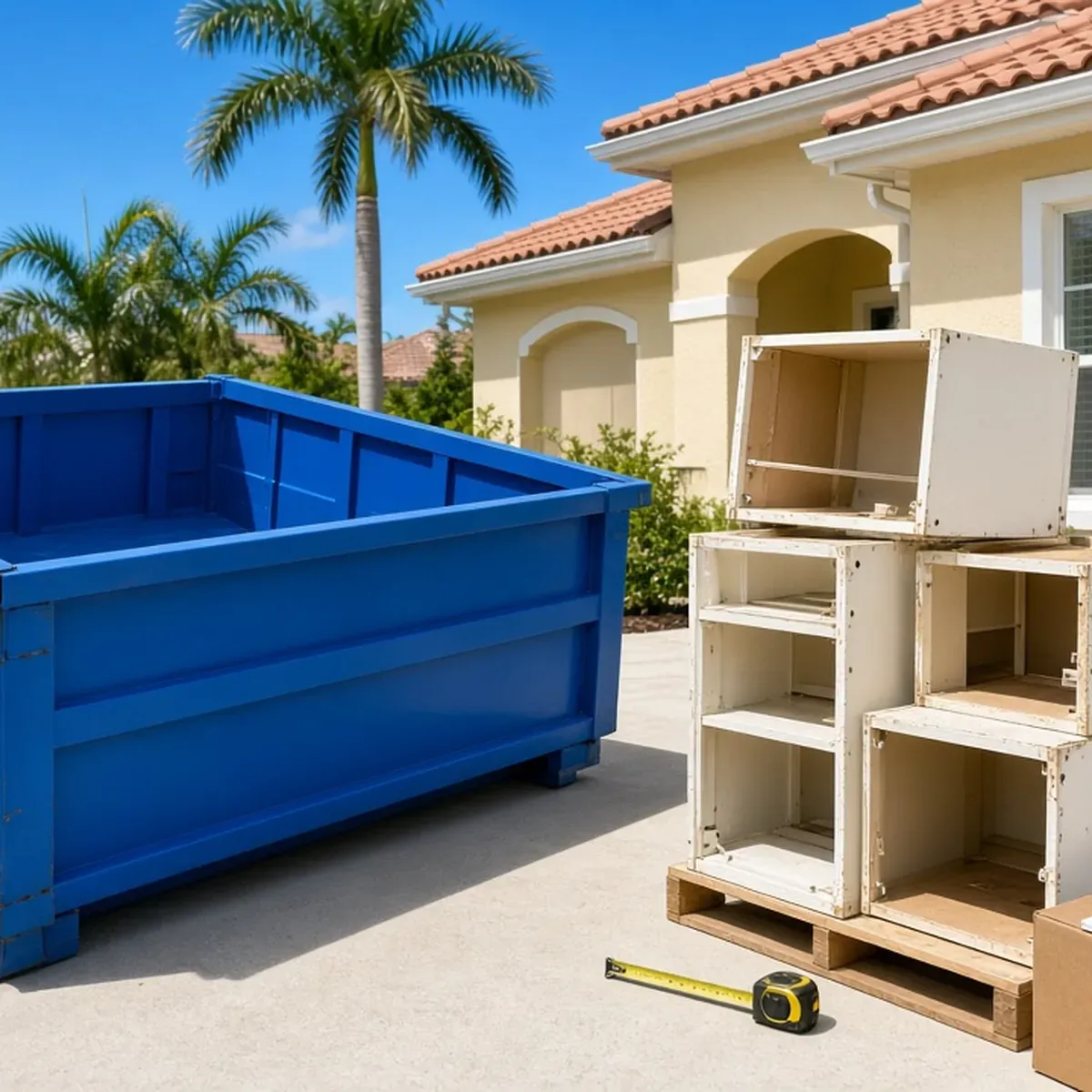
A dumpster's weight limit comes with the rental price, and the overage fee applies to every ton above it. The included weight runs 1 to 2 tons for a 10-yard up to 4 to 6 tons for a 40-yard. Heavy debris such as concrete and shingles reaches the limit before the container is full, so the way to avoid overage is to match the size to the material.
Included Weight by Dumpster Size
The included weight rises with the size, and the table lists Dropcurb's national figures beside the landfill cost of that weight at the Charlotte County rate. The landfill figures are disposal costs, not our prices.
| Size | Weight usually included | County landfill cost of that weight ($49.88 per ton) |
|---|---|---|
| 10 yard | 1 to 2 tons | $49.88 to $99.76 |
| 20 yard | 2 to 3 tons | $99.76 to $149.64 |
| 30 yard | 3 to 5 tons | $149.64 to $249.40 |
| 40 yard | 4 to 6 tons | $199.52 to $299.28 |
How Overage Fees Work
Overage fees are a per-ton charge on weight above the allowance, and Dropcurb lists about $50 to $150 per extra ton nationally. The scale ticket from the landfill shows the weight of the load. If the allowance is 2 tons and the load weighs 3.5 tons, the extra 1.5 tons is billed at the overage rate. A quote that lists the overage rate in writing lets you work out that bill before you load.
Materials That Use Up the Weight Limit
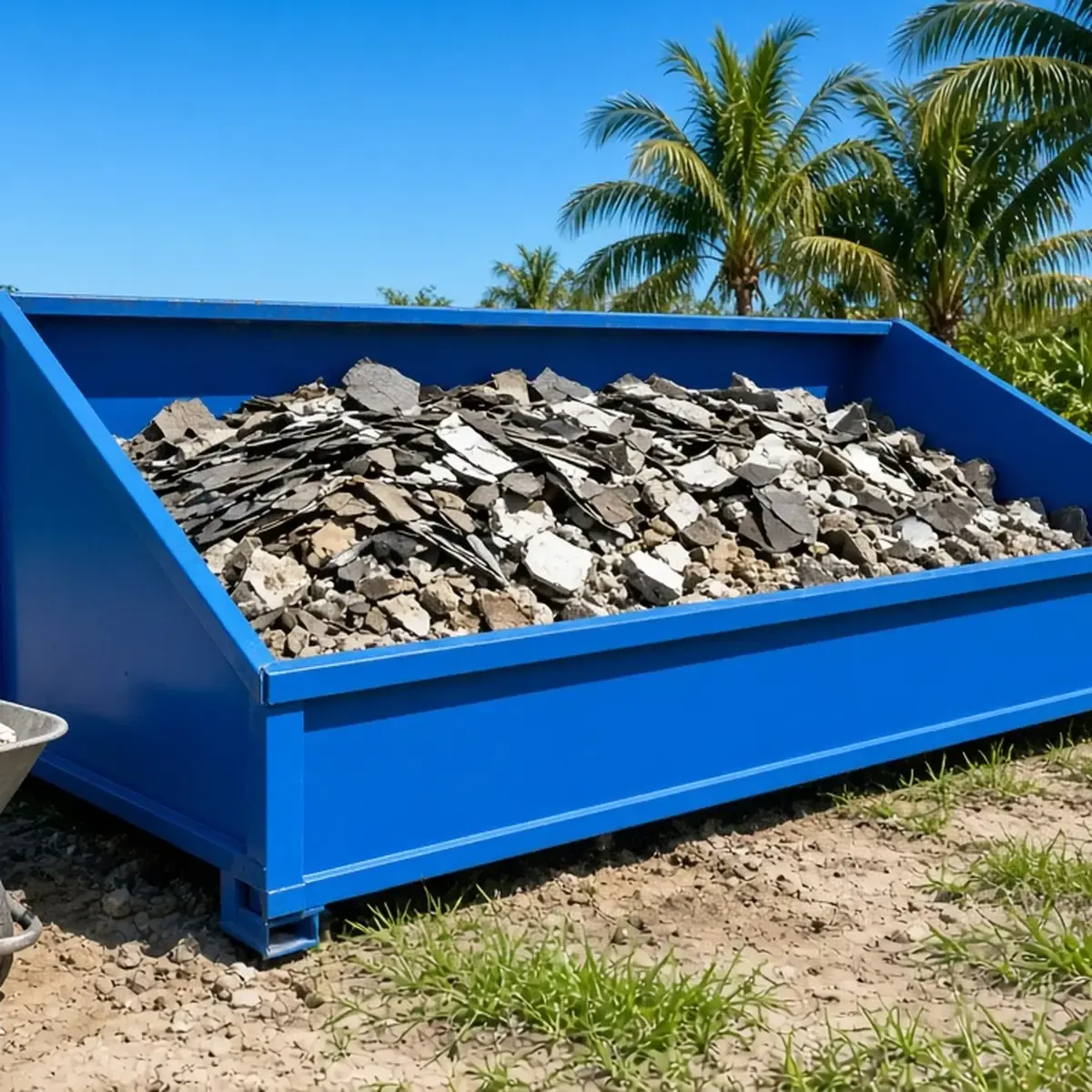
Some materials use up the weight limit fast. Dropcurb says shingles, dirt and concrete trigger tighter tonnage caps and faster overage charges, and that concrete, asphalt and roofing waste can be priced differently from light household junk. The county landfill takes small pieces of concrete, no larger than 1 foot by 1 foot with no rebar or wire, at no charge. Our construction dumpster rental page covers roofing and demolition loads.
How Rain Adds Weight in Charlotte County
Rain adds weight to an open container. NOAA's 1991-2020 climate normals for the Punta Gorda Charlotte Co AP station (USW00012812) record 52.97 inches of precipitation a year, with 26.41 inches of it in the summer months. Wet roofing, lumber and brush weigh more at the scale. A tarp over the load keeps the weight on the ticket close to the weight you loaded.
How to Stay Under the Weight Limit
Staying under the limit takes planning. First, ask for the weight allowance and the overage rate in writing. Second, size down for dense debris, because a smaller box holds less weight by its own limits. Third, keep dirt, rock and wet material out of a mixed load. Finally, call before pickup if the load feels heavy, and we tell you if a second container makes sense.